Kids Size Converter

Kids Size Converter

Convert kids clothing sizes between US, UK, EU, and age-based sizing

Size Converter

Select your current size and system

Enter age range (e.g. 1-2 y)

New
Buying for Now

Converted Sizes

International Sizes
Age
-
Height (cm)
-
US
-
UK
-
EU
-
JP
-
AU
-

Reference Table

Complete size conversion chart
AgeHeight (cm)USUKEUJPAU
0-3 M0-600-3M0-3M50-56500000
3-6 M60-683-6M3-6M6260000
6-9 M68-746-9M6-9M687000
9-12 M74-809-12M9-12M74750
12-18 M80-8612-18M12-18M80801
18-24 M86-9218-24M18-24M86902
2-3 Y92-982T/3T2-392-98953
3-4 Y98-1044T3-41041004
4-5 Y104-11054-51101105
5-6 Y110-11665-61161206
6-7 Y116-1226X/76-71221307
7-8 Y122-12887-81281308
8-9 Y128-13498-91341409
9-10 Y134-140109-1014014010
10-11 Y140-1461210-1114615012
11-12 Y146-1521411-1215215014
12-13 Y152-1581612-1315816016
13-14 Y158-1641813-1416416016+

Frequently Asked Questions

📏 How to Measure Kids

Kids grow fast! For the best fit, measure them over light clothing. Use a soft measuring tape.

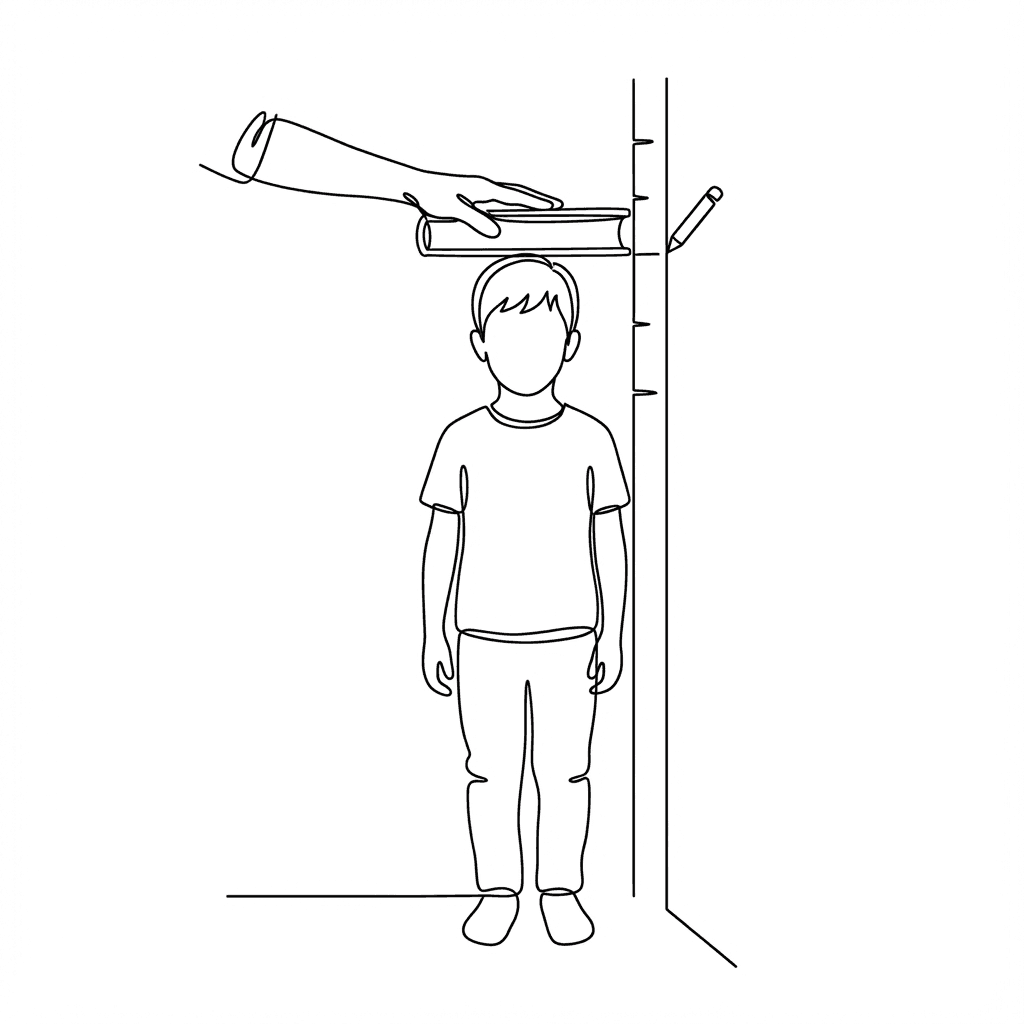
1. Height

How to measure child height for kids clothing size - measuring from head to floor
  • Have the child stand against a wall without shoes.
  • Place a book flat on their head and mark the wall.
  • Measure from the floor to the mark.

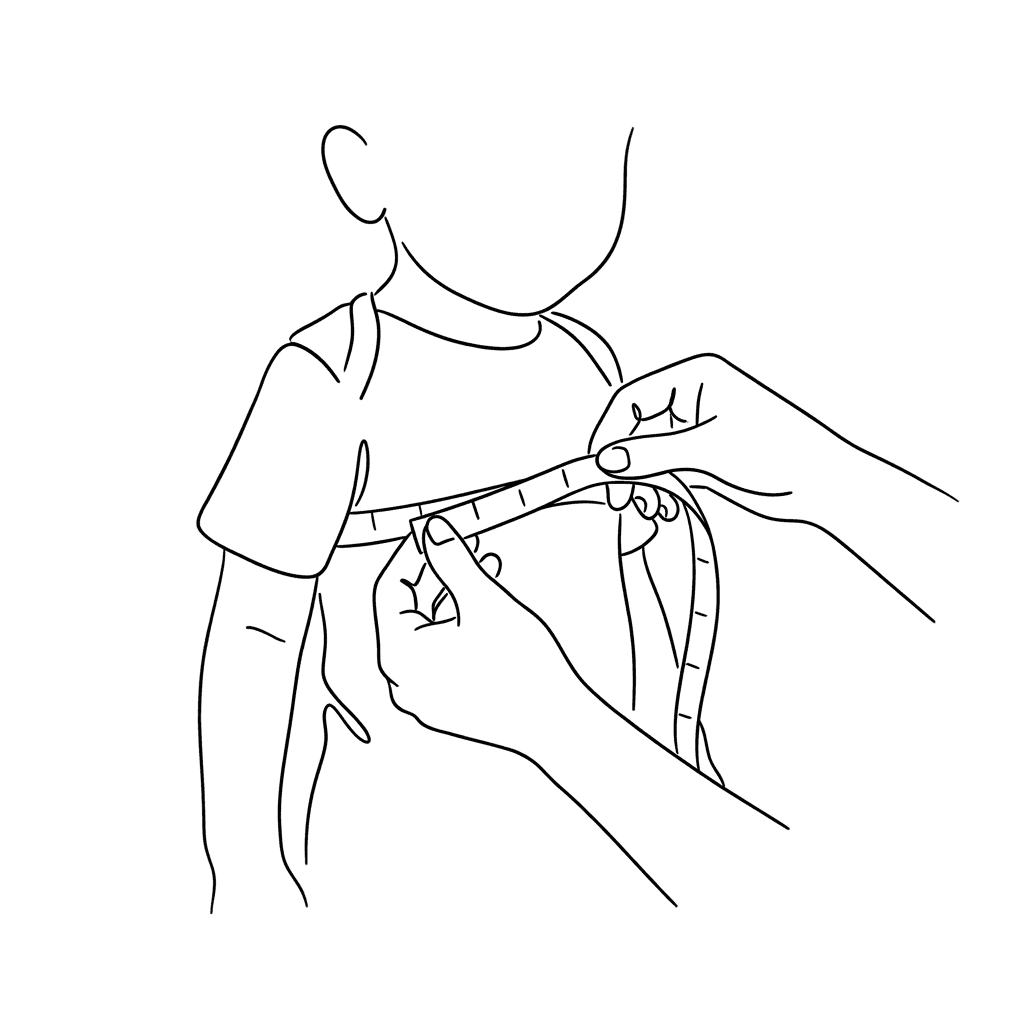
2. Chest

How to measure child chest for kids clothing size - measuring tape around fullest part of chest
  • Measure under the arms, around the fullest part of the chest.
  • Keep the tape snug but not tight.

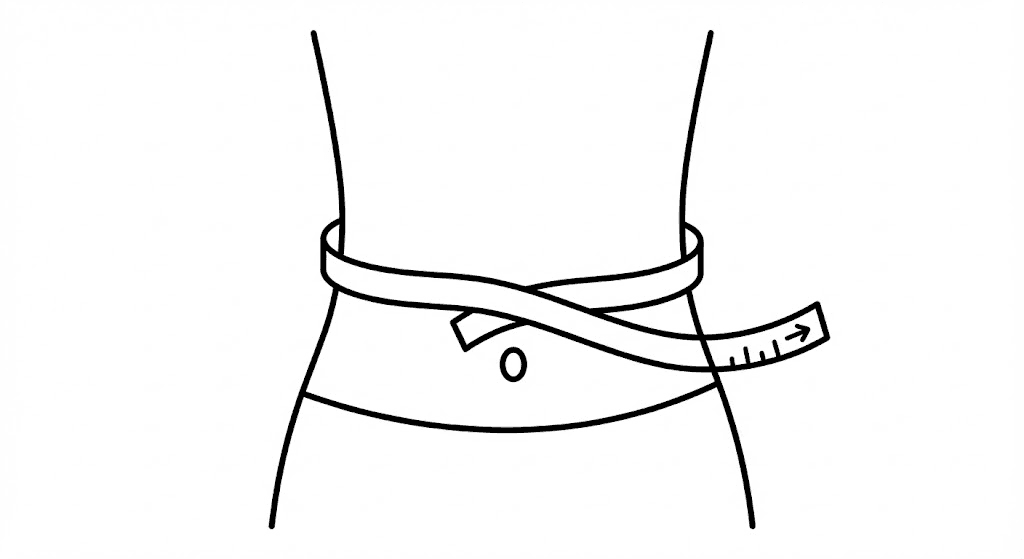
3. Waist

How to measure child waist for kids clothing size - measuring tape around natural waistline
  • Measure around the natural waistline (near the belly button).
  • Don't pull the tape too tight; allow for some wiggle room.

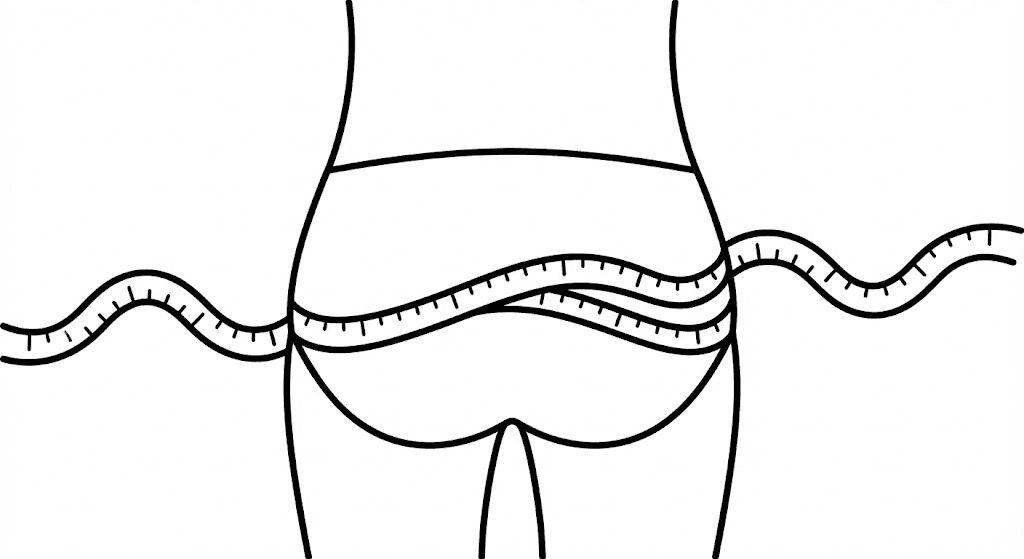
4. Hips

How to measure child hips for kids clothing size - measuring tape around fullest part of hips
  • Measure around the fullest part of the hips/seat.
  • Ensure the child is standing with feet together.

🚀 Growth Spurt Tip

When in doubt, always size up! Kids grow quickly, and it's better to have clothes that are slightly too big than too small.

The Parents' Guide: "Will it Fit Next Season?"

Buying clothes for children is a race against time. A jacket bought in September might be too tight by December. Parents are constantly juggling current fit versus "room to grow." Our converter now features a Season Simulator to help you predict the right size for 6 months down the road.

The "Toddler Gap": 4T vs 4

The most confusing overlap in kids' sizing is between Toddler (T) and Little Kid sizes.

4T
Diaper Cut: Designed for toddlers still in diapers or training pants. Extra room in the seat (butt) and a shorter inseam to avoid tripping.
4
Standard Cut: Designed for potty-trained children. Slimmer in the seat, longer in the leg, and often features buttons/zips instead of elastic waists.

International Sizing Decoder

If you shop at H&M, Zara, or Uniqlo, you'll see numbers like "104" or "110". This is the Height-Based System, which is far more accurate than US Age labels.

  • US Size 2T~92 cm
  • US Size 3T~98 cm
  • US Size 4~104 cm
  • US Size 5~110 cm

Growth Spurt Strategy

👶

Baby (0-24M)

Grows every 3 months. Always buy 1 size up. A 6M outfit fits a 3-month-old perfectly.

Toddler (2T-4T)

Grows every 6 months. Length is the first thing to go. Buy pants with "grow cuffs" if possible.

🎒

Kid (4-14)

Grows every year. Growth happens in "spurts" (height first, then weight). Use height (cm) for the best fit.