The Jeans Size Guide: Why "Size 32" Isn't Always 32 Inches
Buying jeans online is notoriously difficult. A pair labeled "32 waist" from one brand might measure 34 inches, while another fits true to size. This phenomenon, known as Vanity Sizing, combined with confusing international labels (US vs EU vs IT), leads to endless returns. Our guide and converter cut through the chaos to help you find your perfect fit in raw denim, stretch skinnies, and vintage classics.
The "Vanity Sizing" Trap
Most modern fashion brands label their jeans smaller than the actual waistband measurement to make customers feel thinner.
- 🏷️The Label Says: Size 32
- 📏The Tape Measure Says: 34 or 35 Inches
Top Offenders: Old Navy, Gap, H&M, and many mall brands often add 1-2 inches of "vanity" room.
Metric vs. Imperial Chaos
While US and UK brands stick to inches (e.g., 30, 32, 34), European and Italian brands use entirely different systems.
- EU Sizes (Standard): Typically half the chest size or a specific scale (e.g., EU 48 ≈ US 32).
- Italian (IT): Often run smaller and slimmer than standard EU sizes.
- Japanese (JP): Often "True to Size" or even smaller. A JP 32 is often a strict 32 inches, with no vanity wiggle room.
How to Measure Your Size (The Right Way)
Measure Your Best Fitting Jeans
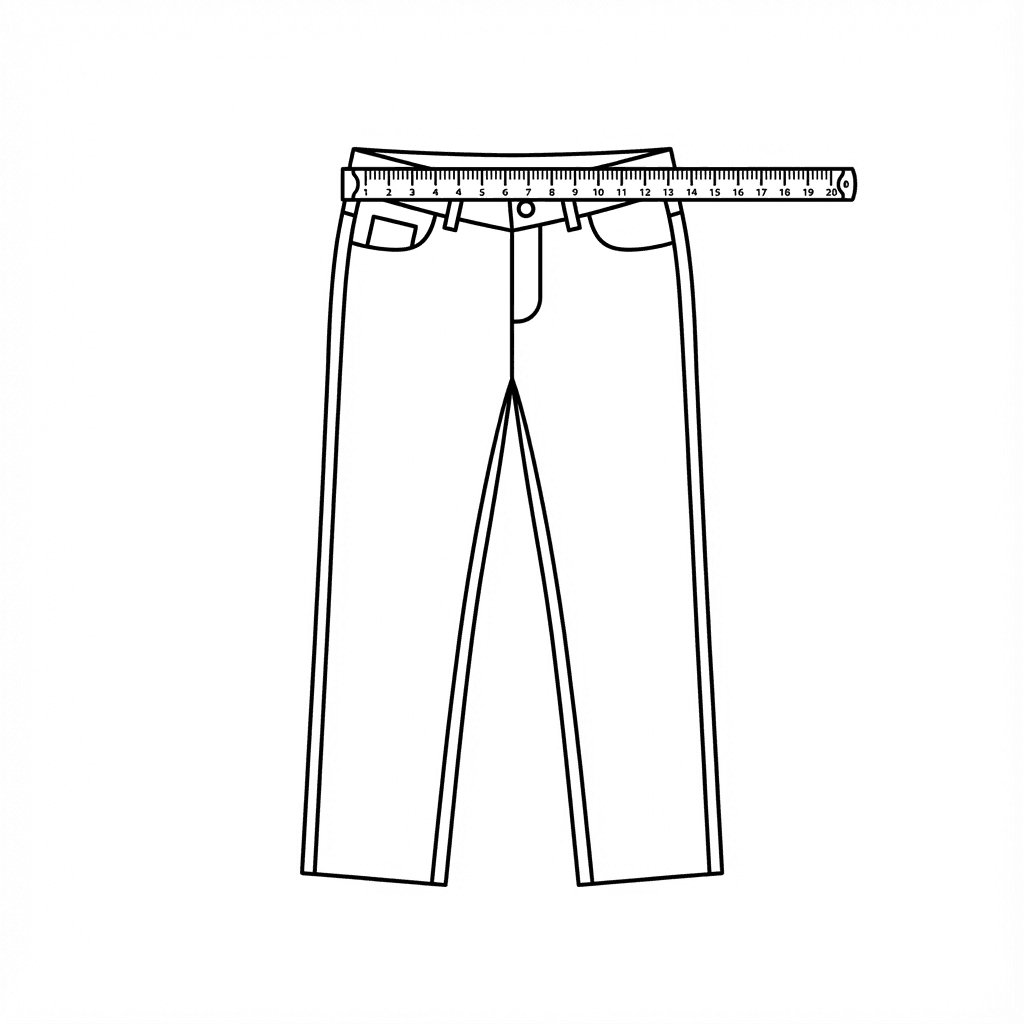
This is the most accurate method. Do not measure your body; measure a pair of pants that already fit you perfectly.
- Button the jeans and zip them up.
- Lay them completely flat on the floor.
- Pull the waistband tight so the front and back align.
- Measure across the top (e.g., 16 inches).
- Double that number to get your "Actual Waist" (e.g., 32 inches).
Measure Your Body (Less Accurate)
Measuring your actual waist often results in a number that is too large because pants sit lower on your hips.
- Measure around where you wear your pants (hips vs. waist).
- Don't suck in your stomach.
- Keep the tape parallel to the floor.
💡 The "Rise" Factor
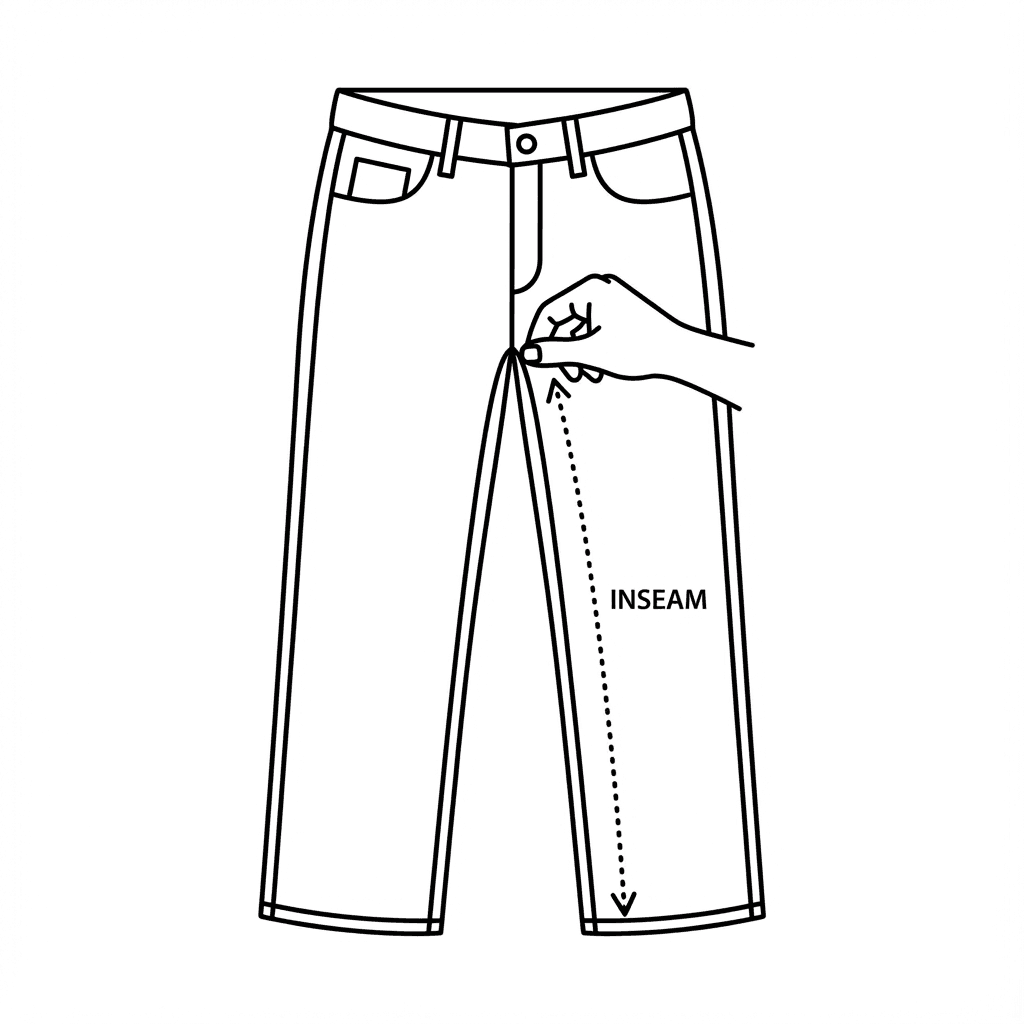
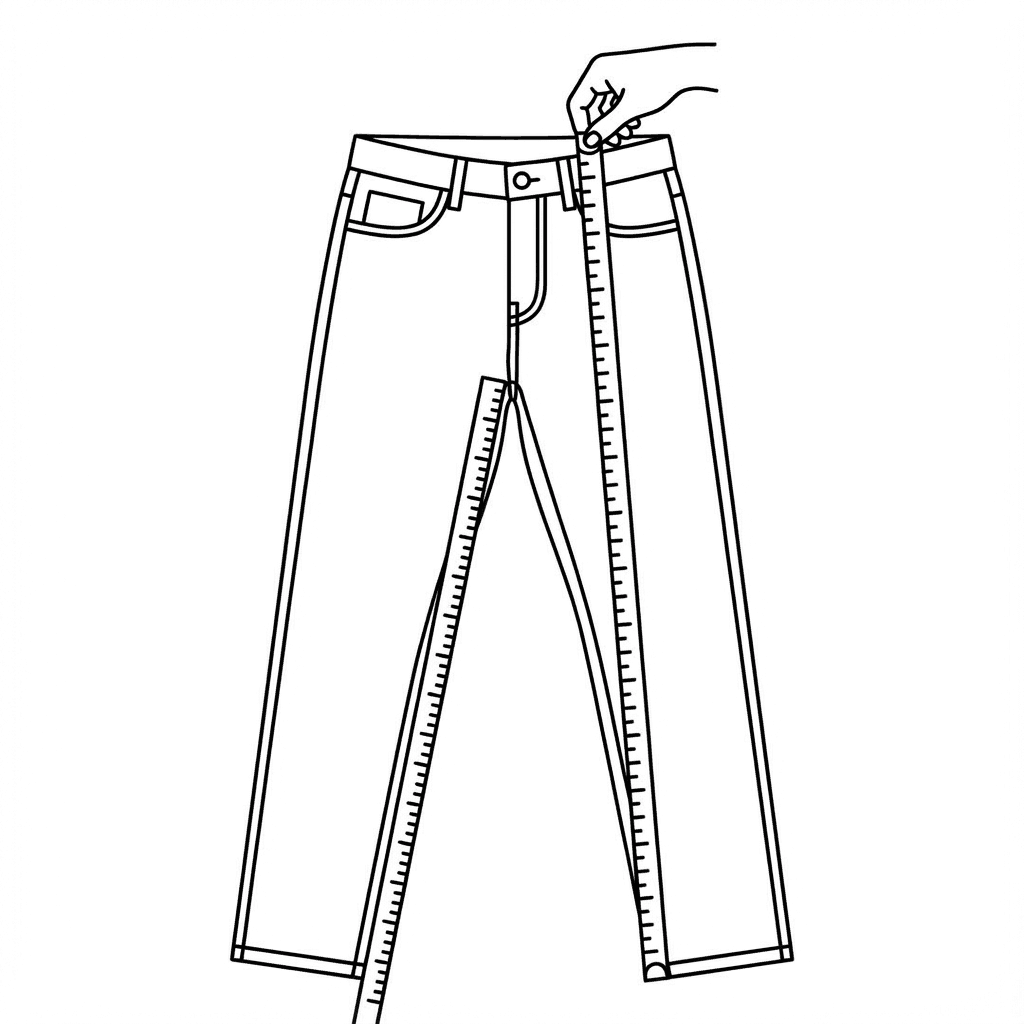
The Rise (distance from crotch seam to waistband) dictates where the jeans sit. High-rise jeans sit at the smallest part of your waist, while low-rise sit on your hips. Always check the "Front Rise" measurement if available.
Troubleshooting Fit
🛑 Waist Gap
If the waist gaps at the back, you likely have a higher hip-to-waist ratio ("curvy fit"). Look for "Curvy" cuts or take the waist in.
🛑 Too Tight Thighs
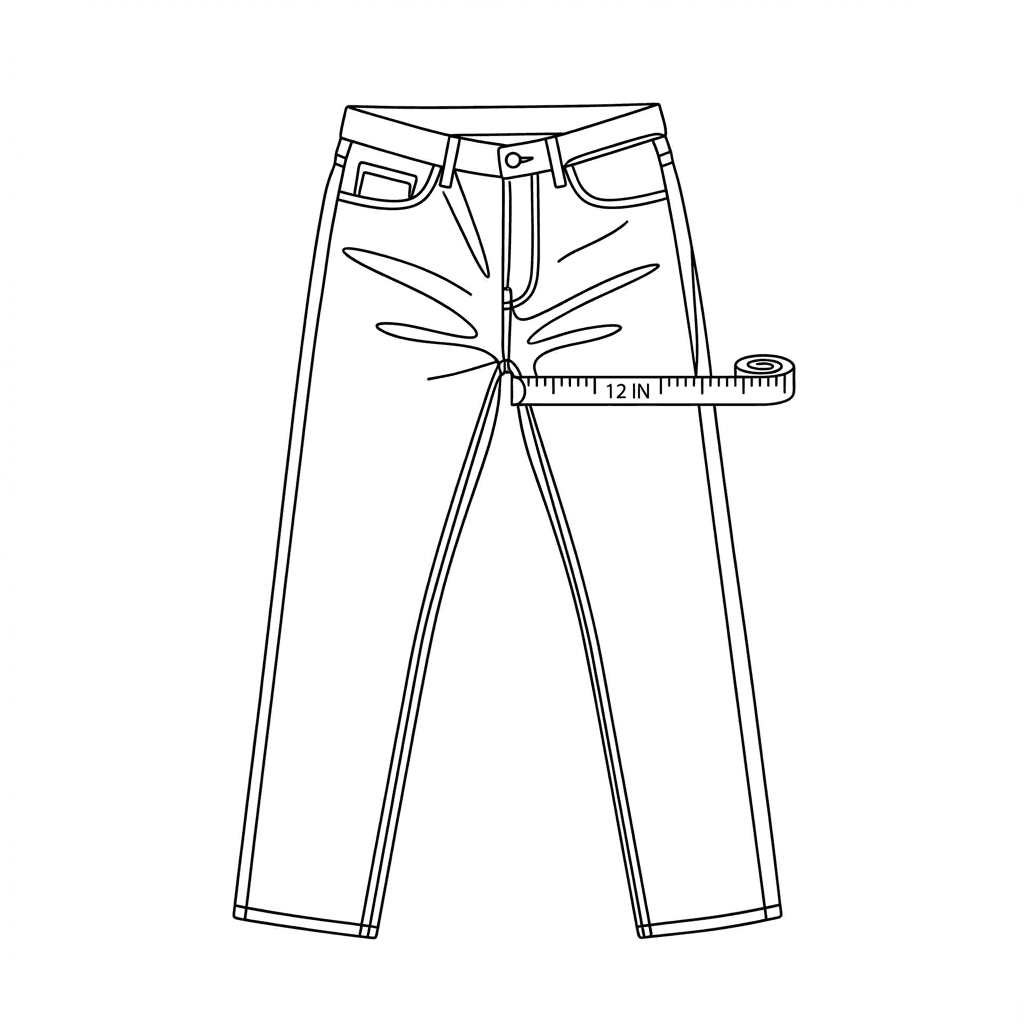
If the waist fits but thighs are tight, do NOT size up the waist. Switch cuts—go from Slim to Athletic or Tapered fit.
🛑 Whiskering
Horizontal lines across the crotch/"whiskers" when standing mean the fit is too tight across the hips. Size up.